
Can Laypeople Take Their Own Oral Impressions?
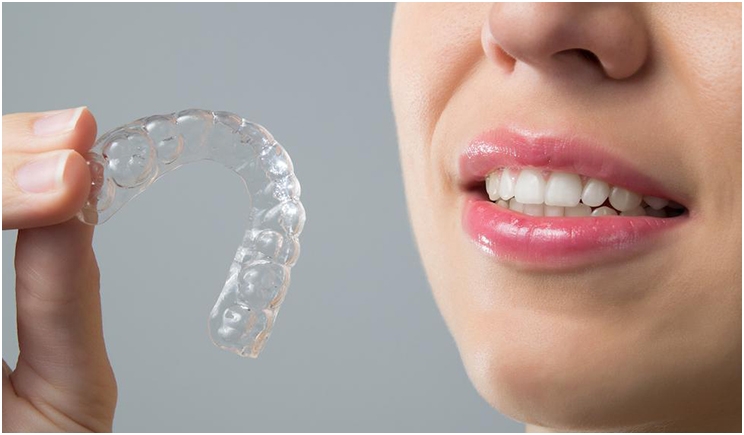
A dental impression is a negative imprint of the teeth and adjacent structures, as well as the first step in fabricating dental prostheses such as removable dentures and fixed restorations in addition to dental appliances such as mouth guards, whitening trays, retainers, and invisible aligners.
Traditionally, to take an impression, patients must visit dentists in their office. However, faster and more efficient treatments involving automated voice messages, texting, and online submissions with less human interaction seem to be favored by younger generations.
This leads to a question. Could patients safely and accurately take their own impressions in their home without the supervision of a dentist? There would be some benefits for the patient, who would save the time and cost associated with a dental visit, while dentists could re-center their attention and precious chair time on more demanding procedures.
But it also raises some concerns, mainly the safety of the patient who might choke or aspirate some foreign material. A secondary concern is related to the accuracy of an impression taken by a layperson.
Objectives
The objective of this study is to determine if a layperson can safely take adequate dental impressions of the maxilla and mandible using only the instructions from an Impression-Taking Guide(ITG) and an impression kit including trays, impression material, and gloves (Figure 1). These impressions were compared to those taken by a dentist to assess clinical acceptability.
Methods and Materials
A total of 55 patients were screened, and 53 patients met the inclusion criteria and were included. To be included, patients had to be at least 18 years of age. They also needed to be willing to provide voluntarily written informed consent. They had to be in good medical and dental health and able to tolerate the dental procedure. And, they had to have at least 24 teeth present.