
How should adults protect their dental health?
Ways to protect your dental health teeth include developing good oral hygiene habits, good eating habits, and regular oral examinations to protect your teeth.
1.Good oral hygiene habits: Brush your teeth regularly and regularly, usually twice a day in the morning and evening, and the brushing time is about 3-5 minutes. The current international standard brushing method is the Bath method. Rinse your mouth promptly after meals. Rinsing your mouth promptly after meals can effectively remove food debris remaining in the mouth and between teeth when eating.
2.Good eating habits: A balanced diet can maintain general health and thus ensure oral health. In addition, eat less snacks and drinks less, because snacks and drinks are very harmful to your teeth. Don’t eat anything too hard and don’t bite hard objects.
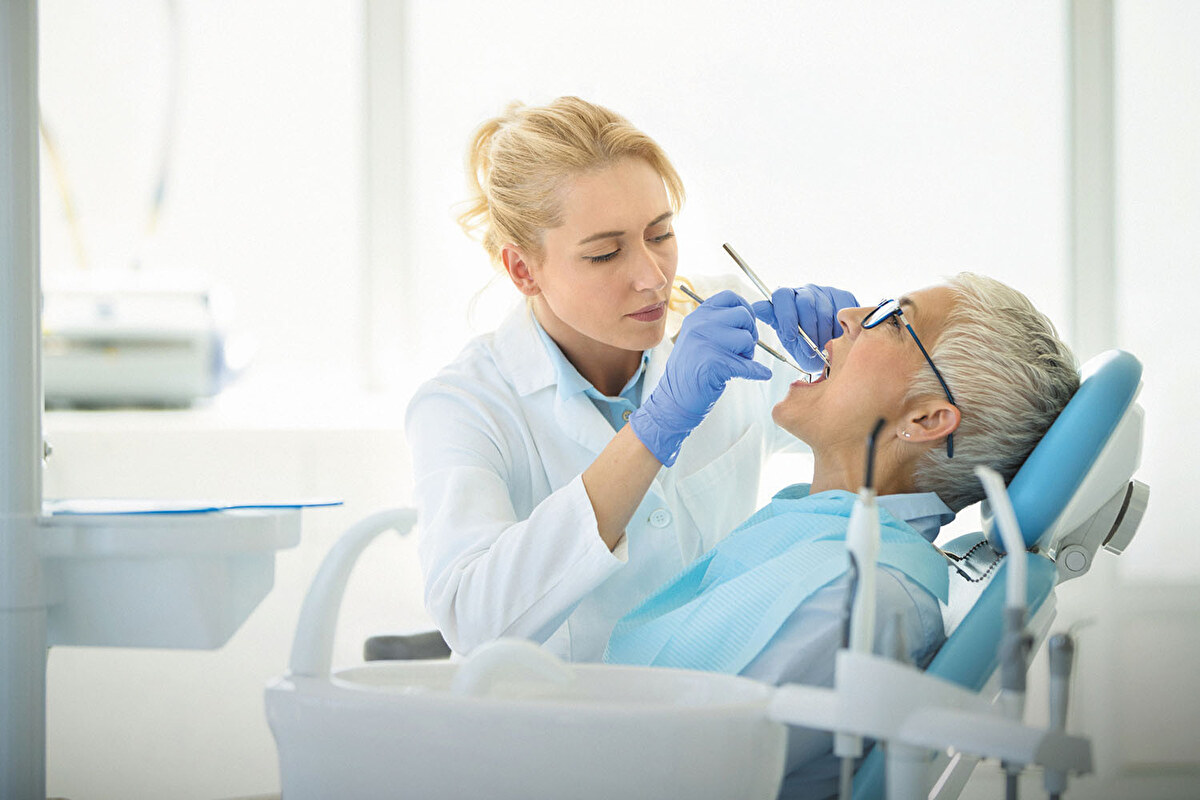
3.Conduct regular oral examinations: For adults, it is recommended to have a dental examination once every six months and perform teeth cleaning in a timely manner. For early detection of dental caries, filling treatment can be performed to protect the oral cavity and dental organs and better maintain the function of the oral cavity.

