
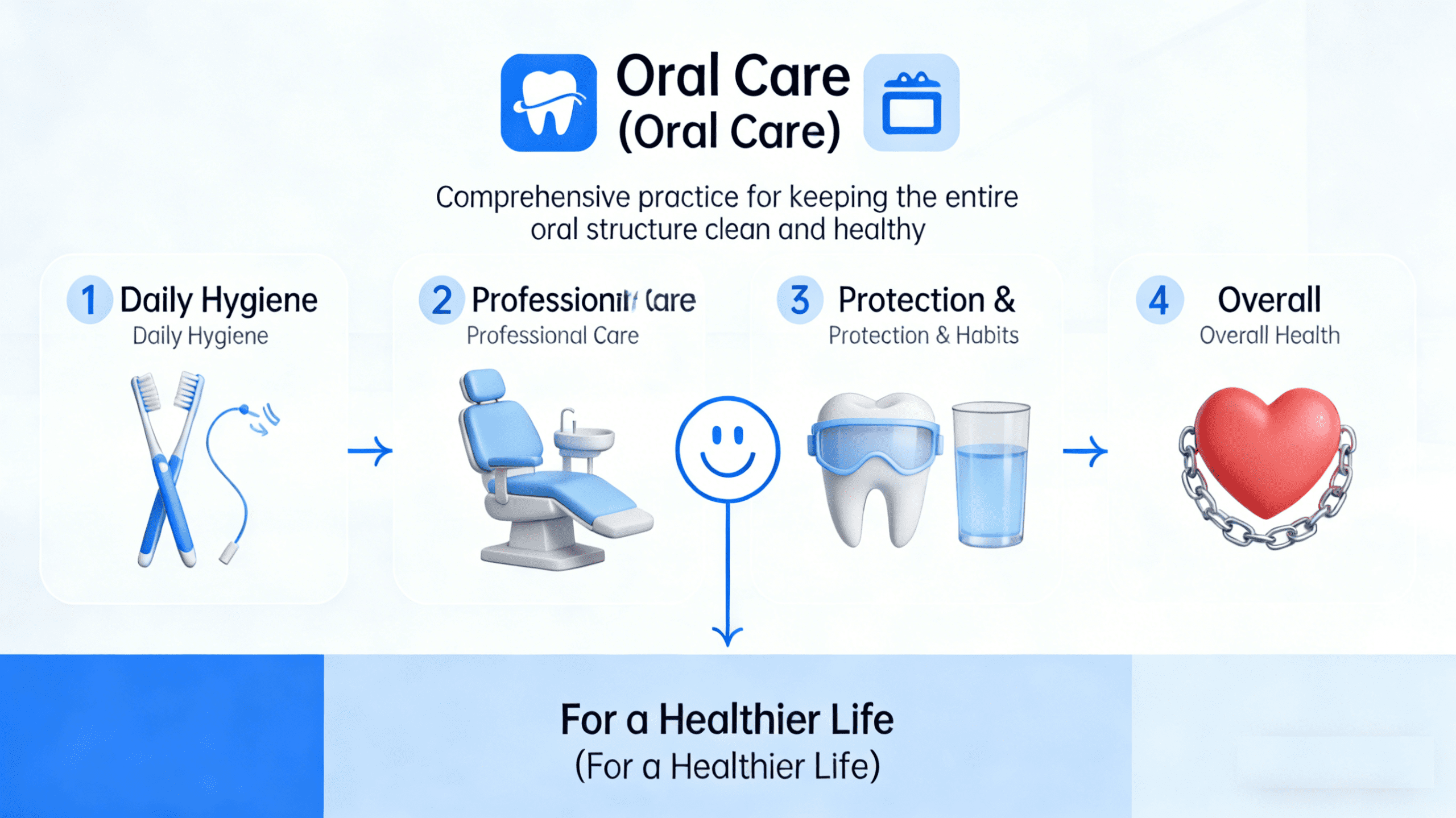
Oral care, often referred to interchangeably as mouth care, is far more than just brushing your teeth. It encompasses the comprehensive set of practices and habits performed to maintain the health of your entire oral cavity. In simple terms, oral care is the practice of keeping your mouth, teeth, gums, tongue, and related structures clean and healthy to prevent disease, promote well-being, and support overall health.
While “oral care” and “mouth care” are frequently used to mean the same thing in everyday language, a subtle distinction can be made:
Oral Care often implies a broader, more preventive, and long-term approach to health.
Mouth Care can sometimes refer to the specific, immediate acts of cleaning, especially in clinical or daily routine contexts.
Regardless of the term, the goal is identical: to create and maintain a healthy oral environment.
The Core Components of a Complete Oral Care Routine
A truly effective oral care regimen is built on several key pillars:
Mechanical Plaque Removal: This is the foundation. It involves physically removing food debris and the sticky film of bacteria called plaque, which is the primary cause of tooth decay and gum disease.
1.Brushing: Using a soft-bristled toothbrush and fluoride toothpaste at least twice a day for two minutes.
2.Flossing: Cleaning between the teeth daily to reach areas a toothbrush cannot. This is non-negotiable for gum health.
3.Tongue Cleaning: Gently brushing or scraping the tongue to remove bacteria and freshen breath.
4.Chemical Aid & Protection: Products used to enhance cleaning, fight bacteria, and strengthen teeth.
5.Fluoride: A mineral found in toothpaste and some mouthwashes that remineralizes enamel and makes teeth more resistant to decay.
6.Antimicrobial Mouthwash: Can help reduce bacterial load and control gingivitis, but should not replace brushing and flossing.
7.Professional Oversight: Even the most diligent home care needs professional support.
8.Regular Dental Check-ups & Cleanings: Typically recommended every six months. These visits allow for the removal of hardened plaque (tartar), early detection of problems (like cavities, gum disease, or oral cancer), and professional guidance.
9.Supportive Habits: Your daily choices directly impact your oral health.
10.Diet: Limiting sugary and acidic foods and drinks that fuel harmful bacteria.
11.Hydration: Drinking plenty of water, especially fluoridated water, helps rinse the mouth and supports saliva production.
12.Avoiding Tobacco: Smoking or chewing tobacco significantly increases the risk of gum disease and oral cancer.
Why is Oral Care So Important? Beyond a Pretty Smile
The significance of oral care extends far beyond achieving fresh breath and a bright smile. It is a critical component of systemic health. The mouth is a gateway to the body, and poor oral health has been consistently linked to serious general health conditions through the spread of bacteria and inflammation, including:
1.Cardiovascular Disease: Heart disease, clogged arteries, and stroke.
2.Diabetes: Gum disease can make blood sugar harder to control, and diabetes increases the risk of infections like gum disease.
3.Respiratory Infections: Bacteria from the mouth can be inhaled into the lungs.
4.Pregnancy Complications: Periodontitis (severe gum disease) is associated with premature birth and low birth weight.
In essence, oral care is the ongoing commitment to preserving the health of your mouth through consistent daily hygiene, smart lifestyle choices, and regular partnership with your dental professional. It is not a chore but a vital investment. A healthy mouth allows you to speak, eat, and socialize with confidence and comfort, while also playing a fundamental role in protecting your entire body’s health. Start or refine your complete oral care routine today—it’s one of the most important health decisions you can make.
